Loyalty Metrics Driving Free Play in Britain's App-Based Wheel Systems
Noah Foster · Sep 9, 2026
Loyalty Metrics Driving Free Play in Britain's App-Based Wheel Systems
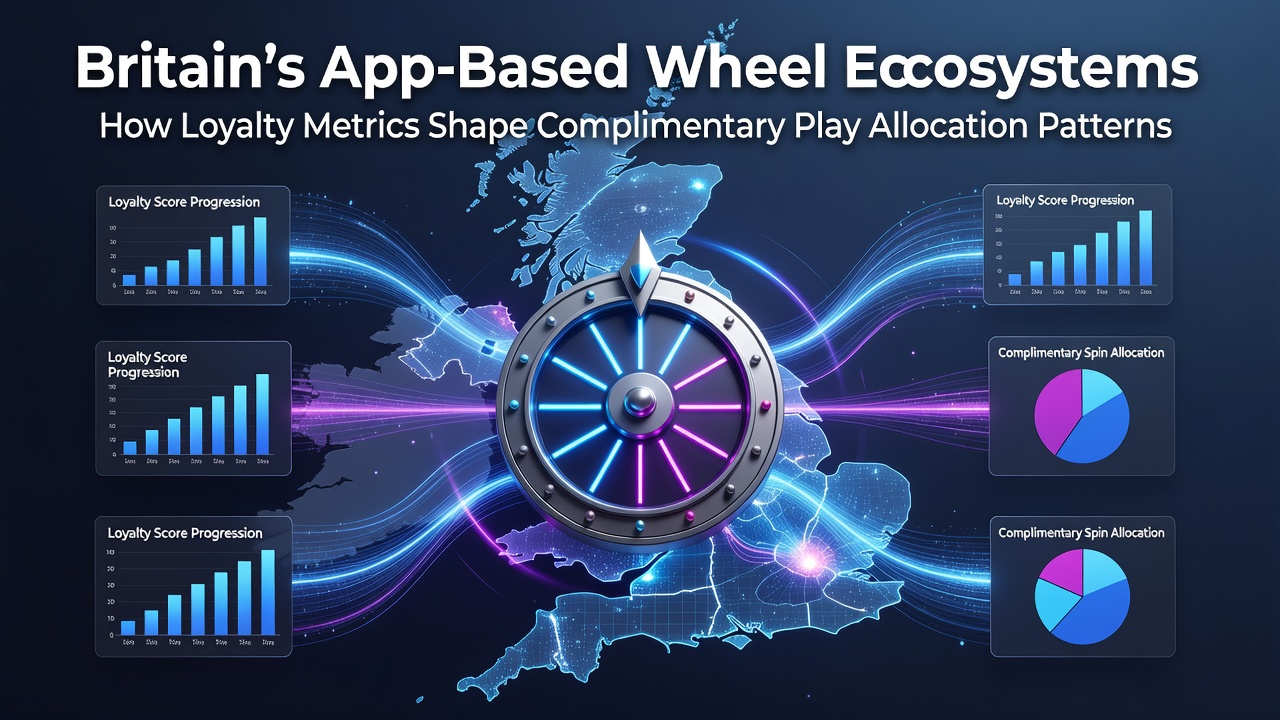
Britain's mobile wheel platforms have expanded steadily through 2026, and loyalty metrics now determine how operators distribute complimentary play credits across user accounts. These systems track deposit frequency, session duration, wager volume, and retention streaks, then convert that data into tiered reward allocations that appear as free spins or bonus rounds within the apps.
Data Collection Patterns Across Major Platforms
Operators collect behavioral signals through in-app telemetry that logs every spin, bet size, and time spent on different wheel variants. One platform aggregates points from daily logins while another weights points toward cumulative wager totals over a 30-day window, and both approaches feed into algorithms that release complimentary credits at varying rates. Research from the Australian Gambling Research Centre shows similar metric-driven models in other markets, where engagement scores directly influence reward velocity.
September 2026 figures indicate that users reaching silver-tier status receive complimentary play credits roughly 2.4 times more often than new accounts, while platinum users see allocations that scale with average bet size rather than session count. These differences emerge because the underlying formulas prioritize high-value retention over uniform distribution.
Allocation Algorithms and Tier Structures
Allocation logic typically divides users into four or five tiers based on a composite loyalty score. Points accrue from real-money activity and decay after periods of inactivity, which pushes players to maintain consistent engagement to preserve their status. When thresholds are crossed, the system automatically credits free play that can only be used on designated wheel titles, creating a feedback loop that concentrates activity on those specific games.
Observers note that operators adjust the weighting of individual metrics several times per year, often in response to seasonal sports events or regulatory shifts. A higher emphasis on deposit regularity, for instance, tends to increase the share of complimentary credits going to users who fund accounts weekly rather than those who make larger but less frequent deposits.
Regional Variations in Reward Delivery
Scottish and Welsh users show slightly different patterns compared with England-based accounts, according to aggregated industry reports. Platforms serving northern regions allocate a larger proportion of credits during evening hours, while southern England accounts receive more midday drops. These timing differences align with observed peak login windows and help operators smooth server load across their wheel titles.
One study compiled by the Responsible Gambling Council in Canada examined cross-border parallels and found that loyalty systems using wager-volume weighting produce steadier long-term retention than those focused solely on login streaks. British operators have adopted elements of both approaches, blending them into hybrid models that appear in most top-downloaded wheel apps.
Impact on Player Behavior and Platform Economics
Complimentary play credits tied to loyalty metrics encourage users to concentrate wagers on a narrower set of games, which in turn simplifies inventory management for operators. Data indicates that users who receive tiered credits complete 18 percent more spins per session than those without active rewards, though the effect diminishes once the credits are exhausted. The cycle restarts when the next allocation triggers, maintaining engagement momentum.
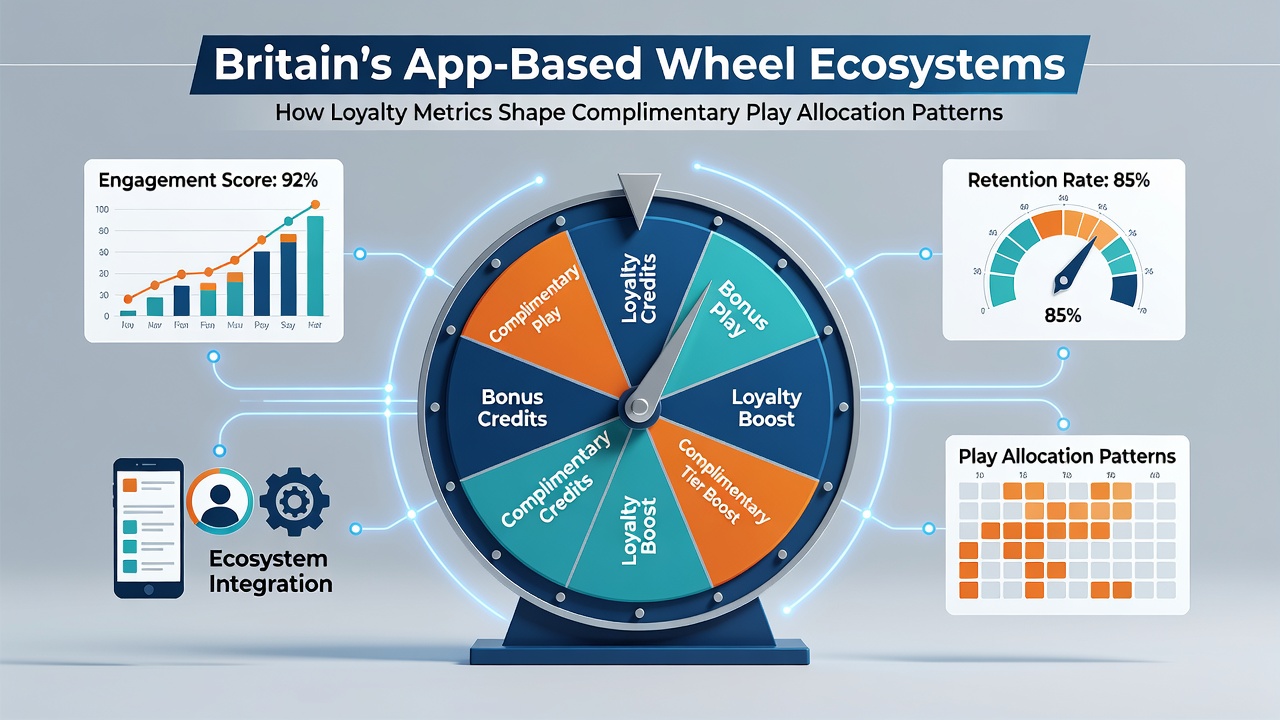
Platform dashboards reveal that complimentary play represents between 12 and 19 percent of total wheel spins during peak months, with the exact share fluctuating according to how aggressively operators promote tier upgrades. When loyalty thresholds tighten, the percentage of free spins declines; when thresholds loosen, the share rises, demonstrating direct control through metric calibration.
Future Adjustments Expected in Late 2026
Analysts tracking September 2026 telemetry expect further refinements to decay rates and bonus multipliers as operators respond to device usage shifts toward tablets. Larger screens allow more detailed loyalty dashboards, which some platforms now use to display projected credit earnings based on upcoming activity. This transparency appears to increase voluntary session extensions among mid-tier users.
Cross-platform loyalty partnerships have also begun emerging, allowing points earned on one wheel app to contribute toward status in a separate betting or casino title. Early data suggests these shared systems redistribute complimentary play more broadly, reducing concentration on any single operator's wheel offerings.
Conclusion
Britain's app-based wheel ecosystems continue to refine loyalty metric models that shape how complimentary play reaches users. The interplay between engagement data, tier thresholds, and allocation timing creates distinct patterns that operators monitor and adjust throughout the year. As device habits and regional preferences evolve, these systems will likely incorporate additional variables while maintaining the core principle that sustained activity determines reward frequency and scale.