How Digital Casinos Engineer Reward Systems for Wheel Games on Mobile Devices
Blake Vogel · Oct 7, 2026
How Digital Casinos Engineer Reward Systems for Wheel Games on Mobile Devices
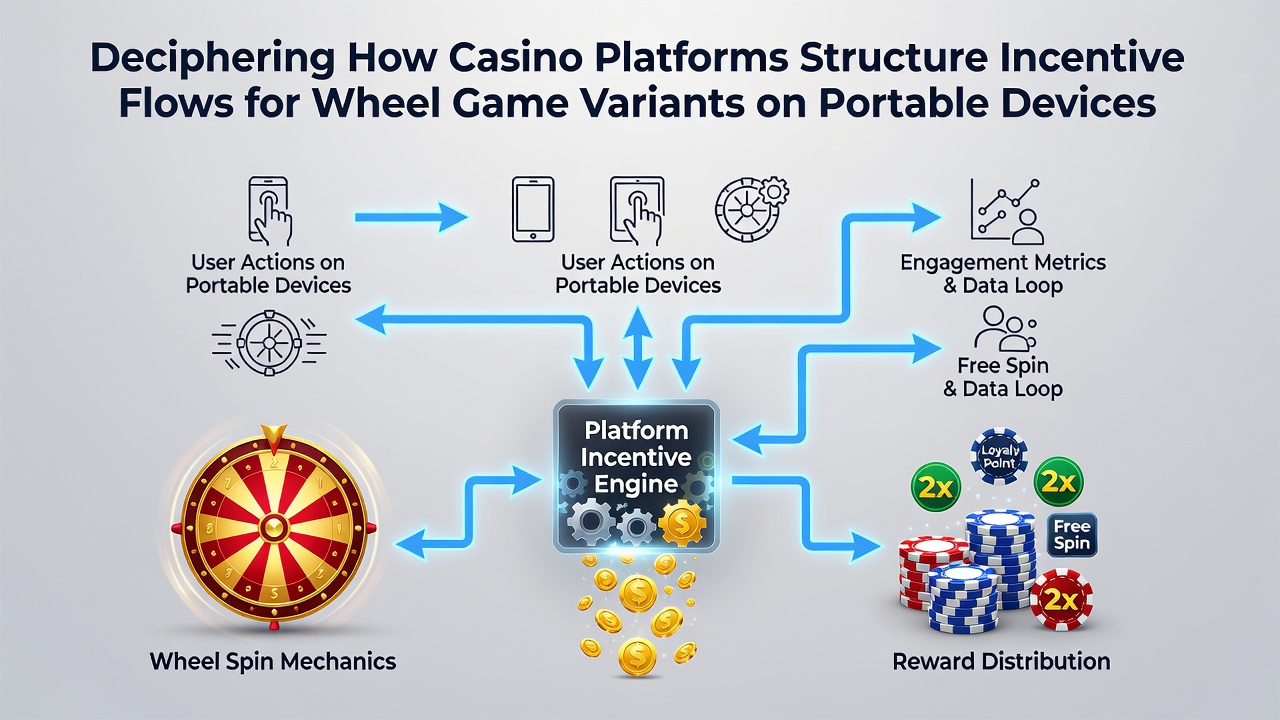
Digital casino operators design layered incentive systems that direct player engagement toward wheel game variants on portable devices, and these frameworks rely on precise allocation rules that balance acquisition costs with long-term retention metrics. Platforms segment rewards into categories such as deposit matches, free spin packages, and cashback tiers, each governed by contribution percentages that determine how much a particular wheel game feeds into wagering requirements. Mobile environments add device-specific parameters including session timers, push notification triggers, and app-only bonus codes that route incentives through distinct pathways compared with desktop interfaces.
Core Components of Incentive Allocation
Operators establish base contribution rates where wheel games such as European roulette typically count at 100 percent toward playthrough targets, whereas certain side bets or multi-wheel formats may register at reduced percentages ranging from 20 to 70 percent according to internal risk models. These rates appear in terms and conditions documents that update periodically, and data from industry audits indicate adjustments often occur after quarterly performance reviews. Portable device users encounter additional filters such as geolocation verification and operating system compatibility checks that gate access to certain promotional flows before any reward activates.
Time-bound mechanics further shape distribution, with many platforms applying 24-hour or 72-hour validity windows on mobile-exclusive offers to encourage immediate engagement. Researchers tracking user behavior patterns note that shorter expiry periods correlate with higher conversion rates from bonus claim to active spinning sessions, while extended windows sometimes lead to lower completion percentages. Integration with loyalty programs adds another dimension, where accumulated points from mobile wheel play convert into tiered benefits that unlock higher-value incentive tiers over successive months.
Mobile-Specific Technical Structures
Application programming interfaces connect backend reward engines directly to device sensors, allowing real-time adjustments based on battery level, network stability, or screen orientation data. For instance, some systems pause bonus timers during connectivity drops and resume them once stable connections return, preserving player progress without manual intervention. October 2026 saw several major platforms roll out enhanced cross-device synchronization features that let users switch between tablets and smartphones while maintaining active incentive balances across sessions.
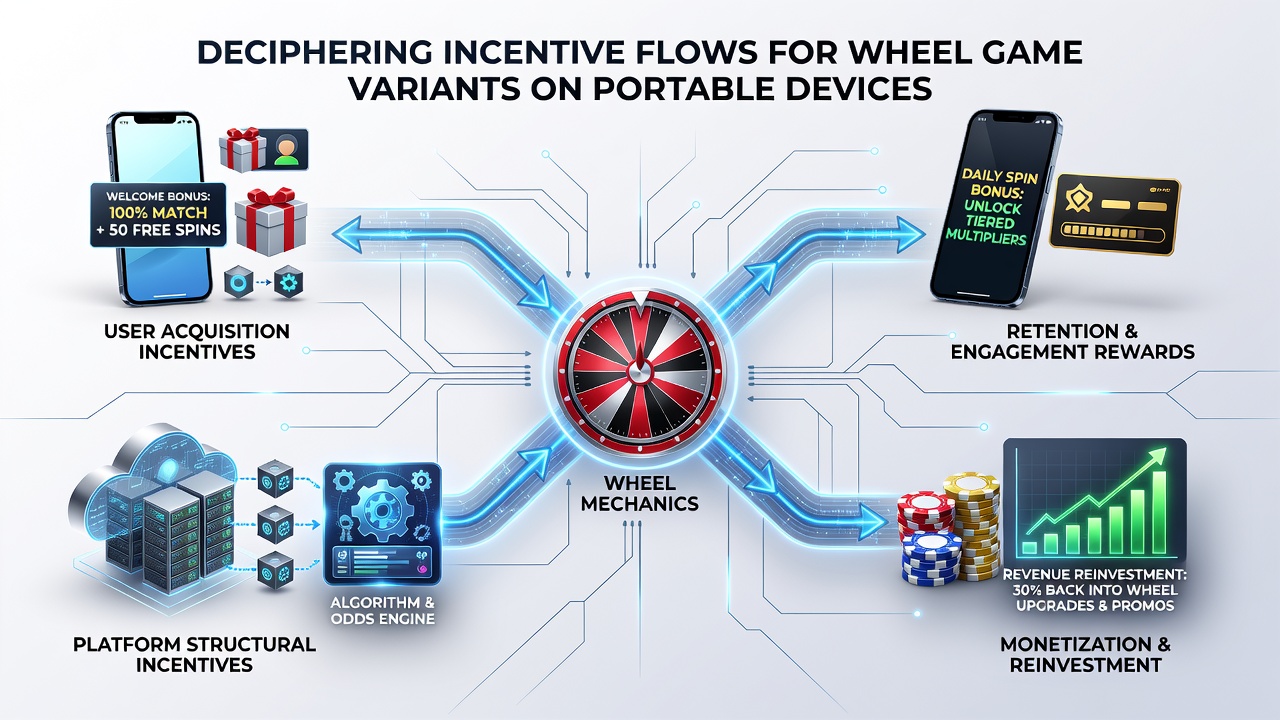
Push notification systems serve as primary delivery channels for incentive alerts, and operators segment audiences according to historical wheel game preferences to tailor message content. A player who frequently selects American roulette variants might receive targeted free spin offers calibrated to that wheel's house edge profile, while another user focused on speed variants receives different packages emphasizing faster round cycles. These segmentation models draw on aggregated telemetry that complies with data protection regulations enforced by bodies such as the Nevada Gaming Control Board.
Variant Differentiation in Reward Flows
Wheel game variants receive differentiated treatment within incentive architectures because their volatility profiles influence player retention curves. Low-volatility single-zero wheels often pair with smaller but more frequent bonus increments, whereas high-volatility multi-wheel options tie into larger jackpot-linked promotions that require extended play sequences. Platform logs reveal that mobile sessions on these variants show distinct average duration patterns, prompting operators to calibrate wagering multipliers accordingly so that completion rates remain consistent across device types.
External audits conducted by organizations including American Gaming Association members confirm that contribution weighting remains a key lever for managing overall promotional liability. When operators increase the percentage allocated by a specific variant, they simultaneously adjust bonus sizes to maintain target margins, and these recalibrations occur without altering the visible player interface.
Regulatory and Compliance Overlays
Jurisdictional rules impose additional constraints on how incentives flow through mobile channels, requiring clear disclosure of wagering conditions and game eligibility lists within the application itself. Compliance teams embed automated checks that flag any mismatch between advertised terms and actual code execution, preventing accidental distribution outside permitted parameters. In regions with strict responsible gaming mandates, platforms incorporate reality-check prompts that interrupt bonus-funded wheel sessions at predefined intervals.
Conclusion
Platform architectures for incentive management in mobile wheel gaming continue to evolve through iterative testing of contribution rates, notification timing, and variant-specific weighting. Observers tracking these systems note that successful implementations maintain equilibrium between player acquisition velocity and sustainable payout ratios, supported by backend analytics that adjust flows in response to aggregate behavior data. Continued refinement of these mechanisms reflects ongoing adaptation to both technological capabilities of portable devices and regulatory expectations across multiple markets.